
Introduction
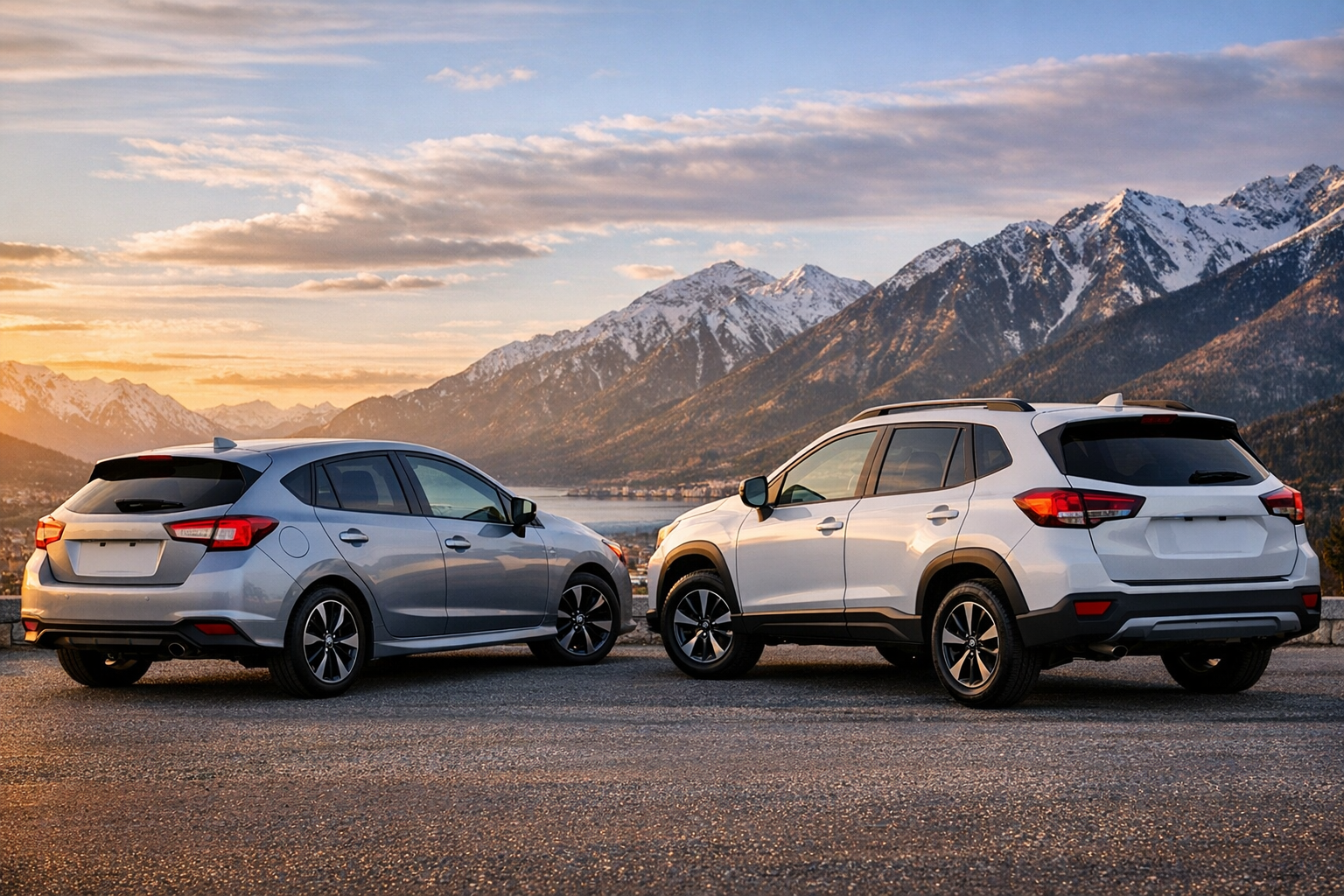
Hatchback vs compact SUV is one of the most common dilemmas for modern car buyers, especially first-time owners and urban families. In today’s market, where small SUV comparison searches are skyrocketing, choosing the right body type can feel confusing. Both hatchbacks and compact SUVs promise practicality, comfort, and value for money—but they deliver these benefits in very different ways.
If you are a beginner trying to understand which option suits your lifestyle, budget, and driving needs, this guide is written just for you. In simple language, we’ll break down what each car type offers, why the choice matters, and how to make the right decision without jargon or brand bias.
Direct answer: If you want affordability, ease of driving, and fuel efficiency, a hatchback is ideal. If you want higher ground clearance, a commanding driving position, and better rough-road capability, a compact SUV is usually the better choice.
What Is a Hatchback and a Compact SUV? (Meaning / Explanation)
What Is a Hatchback?
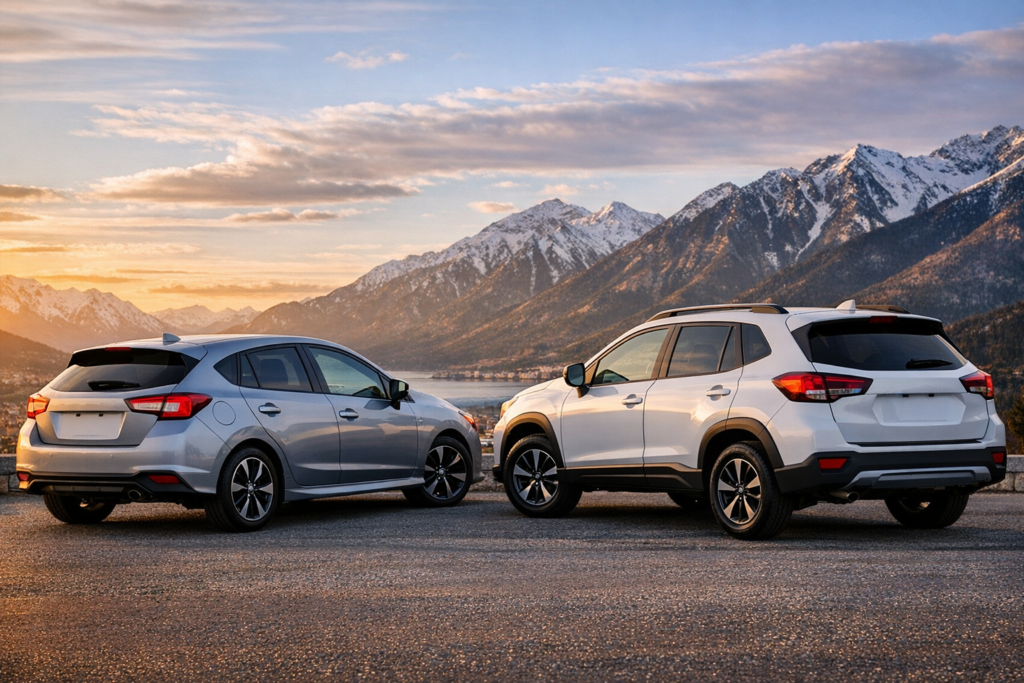
A hatchback is a small to medium-sized car with a rear door (hatch) that opens upward, providing access to the cargo area. The defining feature of a hatchback is its compact size combined with a flexible boot that is integrated with the passenger cabin.
Key characteristics of hatchbacks:
- Lower ground clearance
- Compact dimensions
- Lightweight body
- Usually front-wheel drive
- Better fuel efficiency
Hatchbacks are especially popular in cities because they are easy to park, easy to maneuver in traffic, and economical to own.
What Is a Compact SUV?
A compact SUV (also called a small SUV) sits between hatchbacks and full-size SUVs. It is designed to offer the rugged look and higher stance of an SUV while remaining relatively compact and city-friendly.
Key characteristics of compact SUVs:
- Higher ground clearance
- Taller seating position
- Larger wheels
- More muscular design
- Better ability to handle bad roads
Compact SUVs appeal to buyers who want versatility—something that works in the city but can also handle highways, long trips, and occasional rough terrain.
Why the Hatchback vs Compact SUV Choice Matters
Choosing between a hatchback and a compact SUV is not just about looks—it directly affects your daily comfort, long-term expenses, and driving confidence.
Lifestyle Impact
- City commuters benefit from the compact size of hatchbacks.
- Families and travelers often appreciate the space and comfort of compact SUVs.
Financial Impact
- Hatchbacks usually cost less to buy, insure, and maintain.
- Compact SUVs typically cost more upfront and may have slightly higher running costs.
Driving Experience
- Hatchbacks feel nimble and car-like.
- Compact SUVs feel stable, elevated, and confident on uneven roads.
Making the wrong choice can lead to regrets such as poor ride comfort, higher expenses, or lack of space. That’s why understanding the differences early matters so much.
How Hatchbacks and Compact SUVs Work (With Examples)
Daily City Driving
In bumper-to-bumper traffic, hatchbacks shine. Their smaller turning radius, lighter steering, and compact length make them stress-free. Parking in tight spaces is easier, and fuel consumption remains low even in stop-and-go traffic.
Compact SUVs are still manageable in cities, but their larger size and wider turning radius can feel slightly cumbersome for new drivers.
Highway Driving
On highways, compact SUVs often feel more planted due to their wider stance and heavier build. The elevated seating position improves visibility, making long drives less tiring.
Hatchbacks can still perform well on highways, but crosswinds and rough patches may be felt more.
Rough Roads and Speed Breakers
This is where compact SUVs clearly outperform hatchbacks. Higher ground clearance means fewer scrapes, less stress on bad roads, and better suspension travel.
Hatchbacks require careful driving on broken roads, tall speed breakers, or rural areas.
Real-World Example
Imagine two buyers:
- Buyer A lives in a metro city, drives daily to work, and rarely travels long distances.
- Buyer B has a family, enjoys weekend trips, and frequently encounters poor roads.
Buyer A is better suited for a hatchback, while Buyer B will likely find more value in a compact SUV.
Benefits of Hatchbacks and Compact SUVs
Benefits of Hatchbacks
- Lower Purchase Cost
Hatchbacks are among the most affordable cars in the market, making them ideal for budget-conscious buyers. - Excellent Fuel Efficiency
Their lighter weight and smaller engines translate to better mileage. - Easy to Drive
Perfect for beginners due to responsive steering and compact dimensions. - Lower Maintenance Costs
Spare parts and servicing are generally cheaper. - Urban-Friendly
Parking, U-turns, and narrow roads are easier to handle.
Benefits of Compact SUVs
- Higher Ground Clearance
Better suited for bad roads, potholes, and speed breakers. - Commanding Driving Position
Improved road visibility enhances confidence. - More Interior Space
Better headroom and boot space, especially for families. - Versatility
Comfortable for city use, highways, and weekend trips. - Stronger Road Presence
Many buyers prefer the bold and rugged SUV styling.
Risks and Limitations
Limitations of Hatchbacks
- Lower ground clearance can cause underbody hits
- Less boot space for long trips
- Not ideal for rough terrain
- Smaller cabin compared to SUVs
Limitations of Compact SUVs
- Higher purchase price
- Slightly lower fuel efficiency than hatchbacks
- Costlier insurance and maintenance
- Bigger size can be intimidating for beginners
Understanding these trade-offs helps you avoid unrealistic expectations.
Common Mistakes and Myths
Myth 1: Compact SUVs Are Real SUVs
Compact SUVs are not designed for serious off-roading. They are primarily urban vehicles with light rough-road capability.
Myth 2: Hatchbacks Are Unsafe
Modern hatchbacks come with advanced safety features and strong crash structures. Size alone does not define safety.
Myth 3: Bigger Car Means Better Value
Bigger cars cost more to own. Value depends on usage, not size.
Common Mistake: Buying for Looks Only
Many buyers choose compact SUVs for styling but later regret higher costs.
Common Mistake: Ignoring Daily Usage
Your everyday driving conditions should matter more than occasional trips.
When choosing between a hatchback and a compact SUV, long-term ownership costs also matter. Understanding car depreciation can help buyers estimate resale value, while knowing the difference between manual and automatic cars helps in selecting the right transmission for daily driving.
Hatchback vs Compact SUV: Small SUV Comparison Table (Conceptual)
- Price: Hatchback (Lower) | Compact SUV (Higher)
- Fuel Efficiency: Hatchback (Better) | Compact SUV (Moderate)
- Ground Clearance: Hatchback (Low) | Compact SUV (High)
- City Use: Hatchback (Excellent) | Compact SUV (Good)
- Highway Comfort: Hatchback (Good) | Compact SUV (Very Good)
Frequently Asked Questions (FAQ)
1. Is a compact SUV better than a hatchback?
It depends on your needs. Compact SUVs are better for rough roads and family use, while hatchbacks are better for city driving and budgets.
2. Which is safer: hatchback or compact SUV?
Safety depends on build quality and features, not just size. Both can be equally safe.
3. Are compact SUVs good for beginners?
Yes, but hatchbacks are generally easier for new drivers.
4. Do compact SUVs consume more fuel?
Usually yes, due to heavier weight and larger tires.
5. Which is better for long drives?
Compact SUVs offer better comfort and luggage space.
6. Are hatchbacks good for families?
Small families, yes. Larger families may find compact SUVs more practical.
7. Is maintenance higher for compact SUVs?
Yes, on average maintenance and insurance costs are higher.
8. Can hatchbacks handle bad roads?
They can, but with caution. Compact SUVs are more suitable.
9. Which is better for Indian road conditions: hatchback or compact SUV?
Compact SUVs generally handle Indian road conditions better due to higher ground clearance, while hatchbacks work well in well-maintained urban areas.
10. Is a hatchback cheaper to own than a compact SUV?
Yes, hatchbacks usually have lower purchase prices, better fuel efficiency, and reduced maintenance and insurance costs.
11. Does a compact SUV offer better resale value?
In many markets, compact SUVs tend to have slightly better resale value because of higher demand.
12. Are compact SUVs harder to drive in cities?
Not really, but hatchbacks are easier to maneuver and park in congested city traffic, especially for new drivers.
13. Which option is better for elderly passengers?
Compact SUVs are often more comfortable for elderly passengers due to higher seating and easier entry and exit.
14. Can a hatchback be used for long road trips?
Yes, hatchbacks can handle long trips comfortably, though luggage space may be limited compared to compact SUVs.
15. Do compact SUVs have better suspension than hatchbacks?
Generally, compact SUVs are tuned for rough roads and offer better ride comfort on uneven surfaces.
16. Which is better for first-time car buyers?
Hatchbacks are usually better for first-time buyers due to lower cost, easy handling, and reduced ownership expenses.
17. Are compact SUVs safer than hatchbacks?
Safety depends on build quality and safety features, not the body type alone.
18. Should I choose based on looks or practicality?
Practicality should come first. Choosing based on daily usage ensures long-term satisfaction.
- Global NCAP – Car Safety and Crash Test Ratings
- Bureau of Energy Efficiency (BEE) – Fuel Efficiency Standards
- Autocar India – Automotive News and Expert Reviews
- CarDekho – Car Specifications and Comparisons
- Ministry of Road Transport & Highways – Road Safety Guidelines
Conclusion
The hatchback vs compact SUV debate ultimately comes down to lifestyle, driving conditions, and budget. Hatchbacks are efficient, affordable, and perfect for city-focused users. Compact SUVs, on the other hand, offer versatility, comfort, and confidence on challenging roads.
If you value ease of ownership and economy, choose a hatchback. If you want space, road presence, and adaptability, a compact SUV makes more sense. There is no universally “better” option—only the one that fits your life better.
Disclaimer
This article is intended for general informational purposes only. Vehicle specifications, features, pricing, and performance may vary by manufacturer, model, and region. Readers are advised to verify details with official sources or authorized dealerships before making any purchase decision. The content is based on general automotive knowledge and does not constitute professional or financial advice.